


Cultural Branding in Practice: Translating Heritage Into Brand Systems

Updated: Jan 20
Branding is more than a logo or a slogan.
It is identity.
It is story.
It is culture structured and expressed with intention.

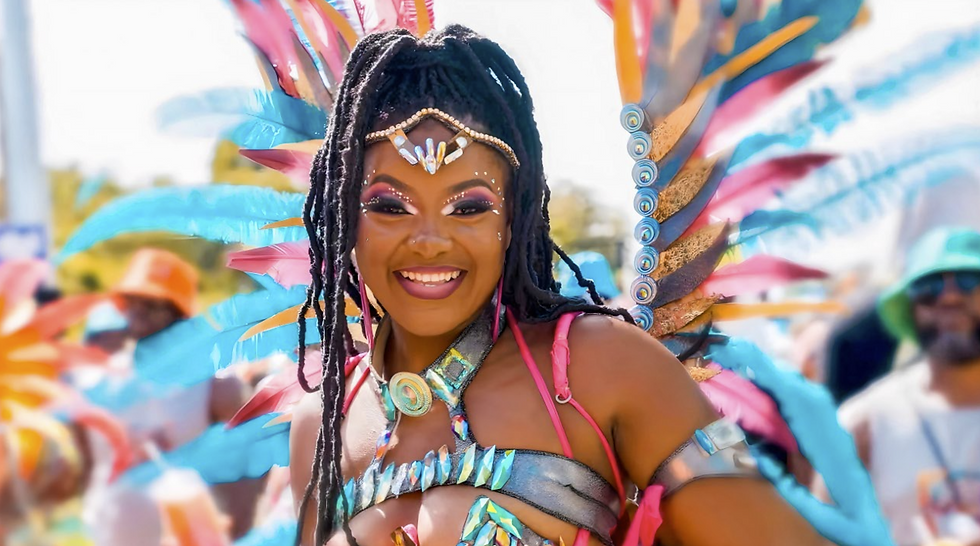
In the Caribbean, culture is not a reference point; it is lived. It exists in colour, movement, language, rhythm, craft, and community. For brands operating in this space, cultural heritage is not an add-on it is the foundation.
The challenge is not whether to use culture in branding. The challenge is how to integrate it responsibly, meaningfully, and strategically.
Cultural Branding as Strategy Not Decoration
Cultural branding goes beyond visual styling. It is the deliberate translation of heritage into systems that guide how a brand looks, sounds, and behaves.
When done well, cultural branding:
Grounds brands in authenticity
Builds trust and recognition
Creates emotional connection
Differentiates meaningfully in crowded markets
When done poorly, it becomes surface-level decorative, clichéd, or disconnected from the people it claims to represent.
Effective cultural branding requires understanding before execution.
Core Principles of Cultural Branding

Strong cultural branding strategies begin with intention and research, not aesthetics alone. Key components include:
Studying local history, traditions, and lived experience
Identifying symbols, patterns, and forms with real cultural relevance
Using language and dialect thoughtfully and respectfully
Reflecting community values rather than external assumptions
Collaborating with local artists, makers, and storytellers
Cultural insight shapes the system.The system shapes the brand.
This approach ensures that cultural references are embedded into identity not applied on top of it.
Crafting Visual Identity Through Cultural Context
Visual identity is often the first point of contact. It must communicate culture fluently, without exaggeration or stereotype.
Colour as Context
In the Caribbean, colour is environmental. Sea, sky, soil, foliage, and festival all influence how palettes are formed. Effective brands build colour systems that feel familiar without being literal, expressive without being overwhelming.
Typography With Rhythm
Type choices should reflect tone and cadence. Organic forms, reinterpreted scripts, or restrained custom lettering can evoke heritage while remaining contemporary and legible.
Patterns, Textures, and Form
Patterns drawn from craft, architecture, or nature add depth and continuity. Used sparingly, they become part of a recognisable system rather than a visual distraction.
Imagery With Integrity
Photography and illustration should reflect real places and people. Authentic environments, honest materials, and local perspectives build credibility and trust.
The goal is not to showcase culture it is to design from within it.
Storytelling as Cultural Infrastructure
Stories give brands meaning beyond visuals. Cultural branding relies on storytelling that honours origin, process, and people.
Effective cultural storytelling may include:
Origin stories rooted in place and history
Narratives that highlight makers, performers, or community contributors
Proverbs, sayings, or expressions used with care and clarity
Multimedia storytelling across digital, physical, and experiential platforms
Storytelling preserves heritage while allowing it to evolve. It turns brands into participants in culture not observers of it.
Integrating Cultural Heritage Responsibly
Cultural branding requires discipline. These practices help ensure authenticity and respect:
Engage Local Expertise
Work with cultural historians, artists, and community leaders. Their insight prevents misrepresentation and deepens understanding.
Conduct Cultural Audits
Review existing brand elements for relevance, accuracy, and sensitivity. Identify where culture is being honoured and where it may be diluted.
Use Language With Intention
Local language and dialect add warmth and familiarity when used appropriately. They should clarify meaning, not exoticise it.
Align With Cultural Moments
Festivals, rituals, and communal events provide opportunities for meaningful engagement not seasonal decoration.
Educate Through Design
Explain the meaning behind symbols, colours, or references. Education builds appreciation and trust.
Design Consistently
Cultural integration should be reflected across all touchpoints identity, packaging, digital platforms, environments, and service experience.
Measuring Impact Without Losing Meaning
Cultural branding is not static. It evolves alongside the community it represents.
Impact can be observed through:
Audience engagement and feedback
Brand recognition and recall
Depth of emotional connection
Alignment between brand intent and public perception
Metrics matter but meaning matters more. Cultural branding succeeds when people recognise themselves in the work and feel respected by it.
Final Thoughts
Cultural branding is a responsibility.
When approached with care, strategy, and respect, it transforms brands from businesses into cultural participants carriers of memory, meaning, and shared identity.
In the Caribbean, heritage is not static. It is living, moving, and evolving. Branding that draws from it must do the same.
At Heaven Dzign, cultural branding is not a trend we follow it is a practice we refine. We translate heritage into systems that feel rooted, relevant, and ready to perform across contexts.
Culture is not an aesthetic. It is a framework.
Design from it. Build with it. Let it lead.


Comments