


Defining Visual Direction in Tobago: Design Trends for 2026

Updated: Feb 2
At the start of 2026, Tobago’s strongest brands are not waiting for trends to arrive. They are defining their own visual direction.
Across the island, design is shaped by place. The light shifts throughout the day. The colours of sea and canopy inspire. The rhythm of movement, music, and gathering resonates. The people who live and create here are pivotal. Brands that resonate now understand their environment. They translate it into clear, adaptable systems, rather than surface-level aesthetics.
Design is no longer decoration. It is translation.
Translation of culture into structure. Translation of experience into clarity.
This article outlines the design directions already taking shape in Tobago in 2026. These are approaches we actively apply, refine, and implement with brands that want to feel rooted, relevant, and ready to perform locally and beyond.
Colour Drawn From Place
In Tobago, colour is not theoretical. It is lived.
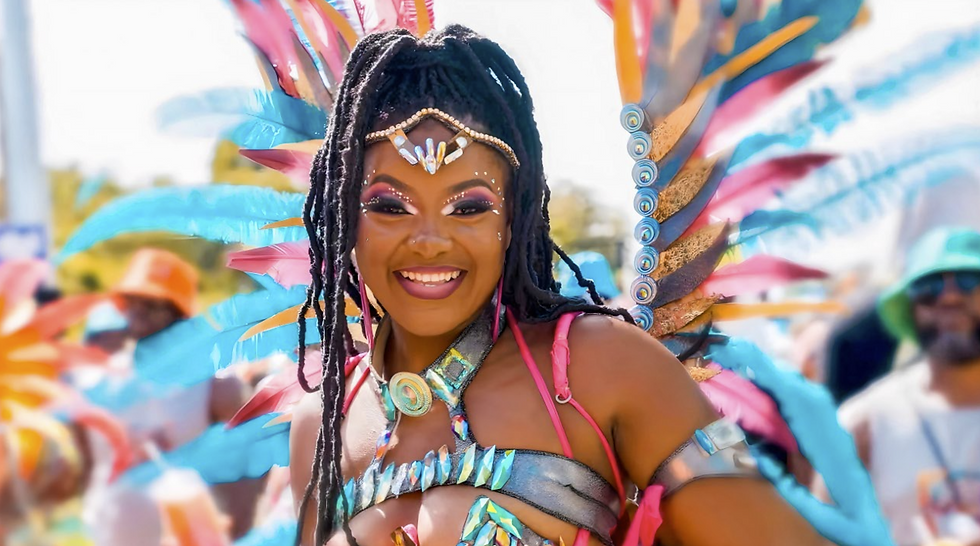
Successful brands in 2026 develop colour systems inspired by their environment. Sun-washed blues, sea greens, warm ochres, deep shadows, and moments of festival brightness are refined into palettes. These palettes feel familiar without being literal.
These colour systems are designed to:
Anchor memory and recognition
Carry emotion without overwhelming
Translate consistently across digital, print, and physical spaces
Colour is no longer chosen for novelty. It is selected for meaning, adaptability, and longevity.
Minimalism With Cultural Weight
Minimal design continues to matter. In Tobago, it carries intention.
Rather than emptiness, restraint pairs with:
Cultural symbols
Spatial rhythm
Thoughtful detail
This approach allows the message to breathe while holding depth. It creates work that feels calm, confident, and grounded. Design that doesn’t shout but doesn’t disappear either.
Minimalism in 2026 is not about reduction alone. It’s about clarity with context.
Design Systems Built for Longevity
One-off visuals give way to design systems.
Tobago brands should invest in frameworks that evolve across:
Seasons
Festivals
Campaigns
Platforms
These systems maintain consistency while allowing flexibility. This balance is essential in small markets where recognition and trust build over time. Designing for longevity is both sustainable and strategic. It reduces visual noise and allows brands to grow without losing their identity.
Experience-First Design Thinking
Design in 2026 is increasingly experience-led.
Whether for events, activations, environments, or digital platforms, brands consider:
How people move through space
How visuals guide attention
How moments are remembered
In a culture where participation and emotion matter, design must be felt, not just seen. Experience-first thinking ensures that visual systems support interaction, flow, and memory.
Custom Illustration & Symbolic Language
Stock visuals are replaced with bespoke visual language.
Custom illustration, abstract forms, and symbolic elements allow brands to:
Reflect cultural nuance
Avoid generic representation
Build recognizable identity systems
In Tobago, illustration often draws from:
Nature
Movement
Music
Heritage patterns
When treated as part of a system rather than decoration, illustration becomes a powerful storytelling tool.
Motion That Feels Human
Motion design in 2026 is subtle, paced, and intentional.
Rather than flashy animation, brands use:
Gentle transitions
Slow parallax
Rhythmic movement
Motion mirrors how people move, dance, and interact. It reinforces storytelling without distraction. It adds emotional depth without overwhelming the message. Motion is now a layer of communication, not just an effect.
Typography With Local Rhythm
Typography has become a defining brand element.
Designers reinterpret:
Handwritten forms
Traditional scripts
Organic letter structures
These typographic systems feel rooted while remaining legible and contemporary. They establish tone, rhythm, and voice, allowing brands to speak authentically and confidently. Typography in 2026 is not just read. It is felt.
Inclusive Representation as Standard Practice
Inclusive design should no longer be optional. It is expected.
Tobago brands should design with:
Real people
Diverse skin tones
Authentic environments
Representation builds relevance and trust. When brands reflect the communities they serve, they create stronger emotional connections and greater cultural credibility.
Digital and Physical in Dialogue
Design must now function seamlessly across:
Screens
Print
Environments
Events
The strongest brands design holistically. They ensure visual systems feel consistent whether encountered online, on signage, or in physical space. Digital and physical are no longer separate; they inform each other.
Strategy Before Style
The most important shift defining design in 2026 is this:
Strategy comes first.
Strong Tobago brands:
Audit before they create
Understand audience before aesthetics
Align culture with clarity
Style follows insight, not the other way around. This approach ensures that visual decisions are purposeful, defensible, and effective.
Final Thoughts
In 2026, Tobago design is confident, grounded, and intentional.
It observes before it speaks. It respects culture while meeting global standards. It builds systems that endure beyond moments and campaigns.
At Heaven Dzign, this is not theory. It is practice. We actively help brands translate place, people, and purpose into visual systems that perform today and evolve tomorrow.
Design that lasts doesn’t chase trends. It
By keeping these trends in mind, you can ensure that your brand remains relevant and engaging in 2026 and beyond. Happy designing!


Comments